When is whale season in Cabo?
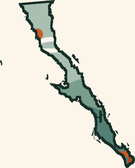
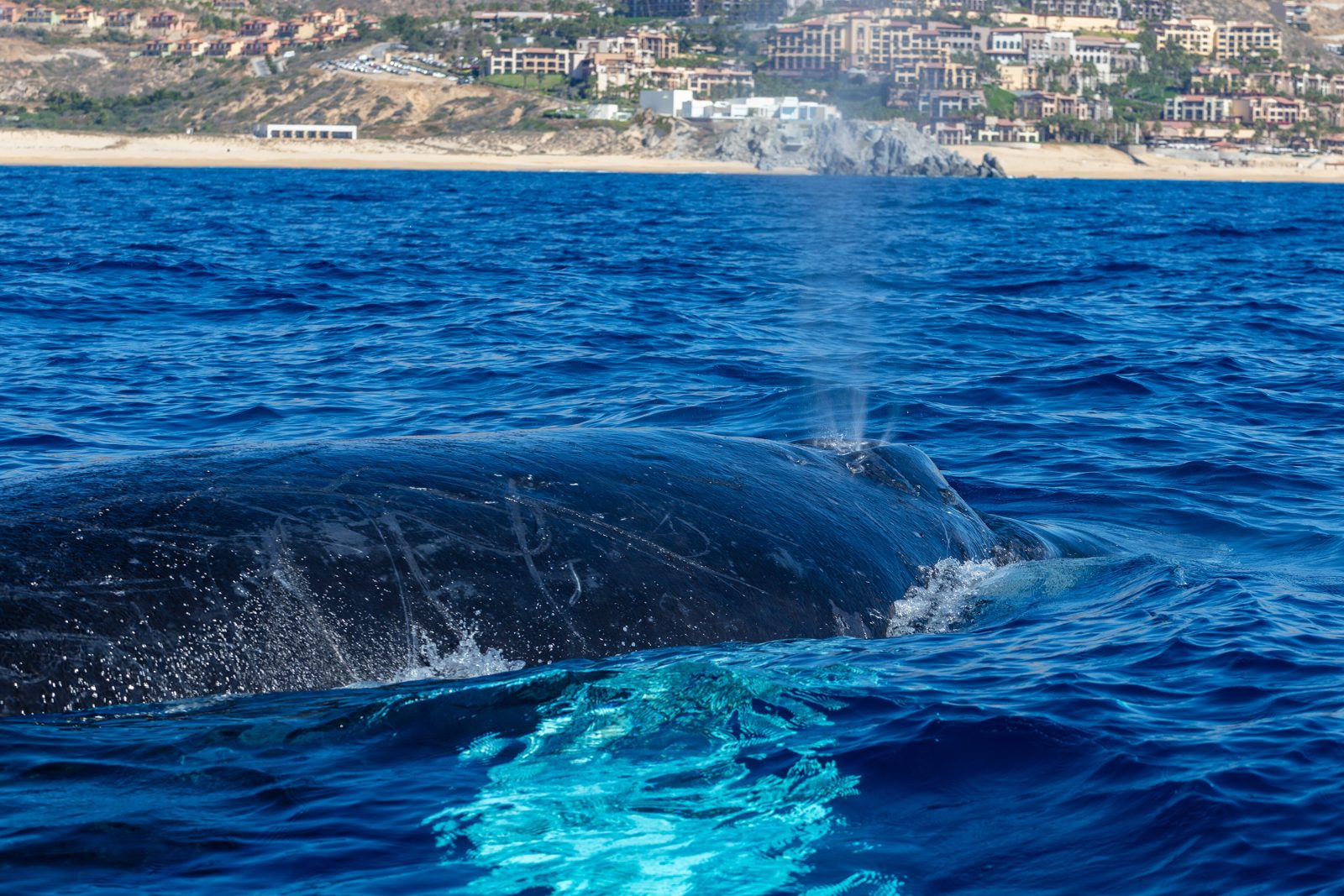
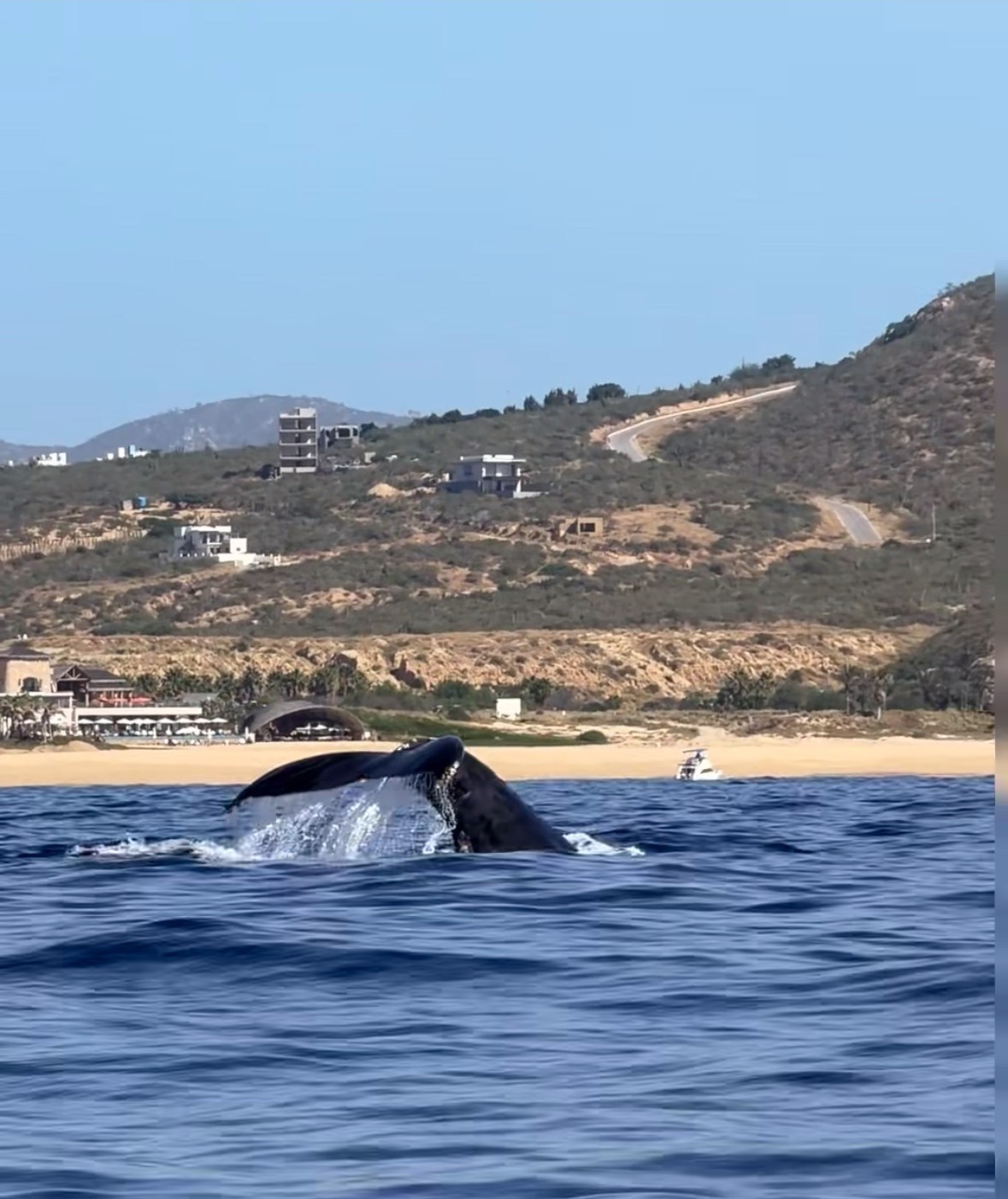
Humpback whales are present from mid December to mid April, with the peak from January to March. Boats run from the Cabo San Lucas marina and from San Jose del Cabo throughout the season. December and early April are the edges: trips operate, but whale numbers are thinner and encounters less certain. For a trip built around whales, target late January or February, book a morning departure, and schedule it early in your stay so weather cancellations can be rebooked.
What is the best month for whale watching in Los Cabos?
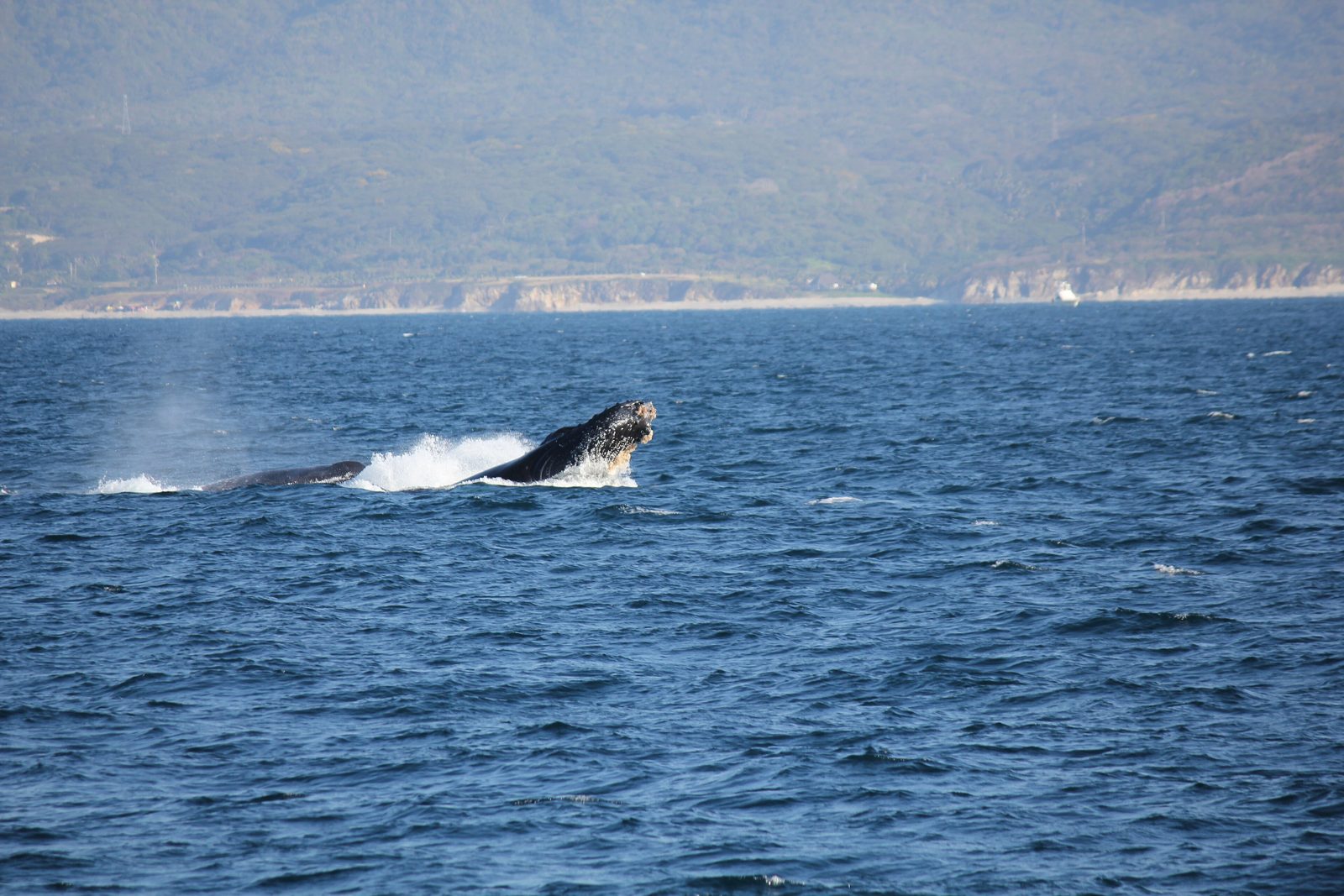
February, on our call, with late January a close second. Whale density is at its highest, surface behavior such as breaching is most frequent, and calves are present with their mothers. March remains strong but adds spring break crowds and the start of warmer rates pressure. December is the value edge of the season for flexible travelers. All peak months share one caveat: the sea is 70 to 72F, so whale season is not warm swimming season, whatever the brochures show.
How much does whale watching cost in Cabo?
Standard tours run roughly $50 to $100 per person as a typical researched range, for trips of about two to three hours. Small pangas and small group boats tend to sit in the middle of that range, large catamarans with drinks and snacks at the top, and premium or private charters well above it. The honest point: price buys comfort, shade, and catering, not better whales. A small boat at the standard range usually delivers the closest encounters of any option sold.
Can you see whales from shore in Los Cabos?
Sometimes, especially from January to March, from headlands, higher hotel terraces, and Pacific side viewpoints where whales pass close to shore. Breaches and spouts are visible with binoculars on calm mornings. Shore sightings are a bonus, not a plan: distance makes most encounters small and brief compared with a boat trip. Travelers who care about whales should book the boat and treat any shore sighting as a free extra. Hotels cannot honestly promise whale views, and none should be booked on that basis.
What is the difference between humpback and gray whale trips?
Humpbacks are the Los Cabos whales: they winter at the tip of the peninsula, twenty minutes by boat from the Cabo San Lucas marina, from mid December to mid April. Gray whales calve in Pacific lagoons further north, mainly Magdalena Bay, three plus hours each way by road. Lagoon trips offer sheltered water and famously close calf encounters, at the cost of a very long day. Humpbacks are the right default; the lagoon is a specialist trip for travelers with time.
Are whale watching tours good for kids?
Yes, with the right boat. Larger catamarans offer shade, bathrooms, and a steadier ride, which suits younger children and anyone prone to seasickness. Small pangas are more exciting and sit closer to the water, better for older kids and photographers. Morning departures are calmer in every format. Trips run two to three hours, a manageable length for most families. Bring layers: winter mornings on the water are cold, with air in the 50s and 60s F before the sun strengthens.
Do whale tours guarantee sightings?
In peak season, January to March, sightings are highly likely on most departures, which is why operators can afford confident language. No honest operator guarantees a specific behavior: breaching, calves at the boat, or a whale shark style close pass cannot be scheduled. December and April carry real miss risk as numbers thin. The practical protection is timing: travel in the peak, book early in your stay, and choose operators who offer a rebook or refund policy for no sighting or weather cancellation days.
Can whale watching be cancelled for weather?
Yes. Port authorities close departures when Pacific swell or wind makes conditions unsafe, which happens a handful of mornings most seasons and more often on the Pacific side in winter storm patterns. This is the practical reason to schedule the whale trip in the first half of a stay: a cancelled Tuesday can become a Thursday trip, while a cancelled final morning is simply lost. Morning departures in general meet calmer seas than afternoon trips, another reason this page books the first boat.
Where do whale boats leave from in Los Cabos?
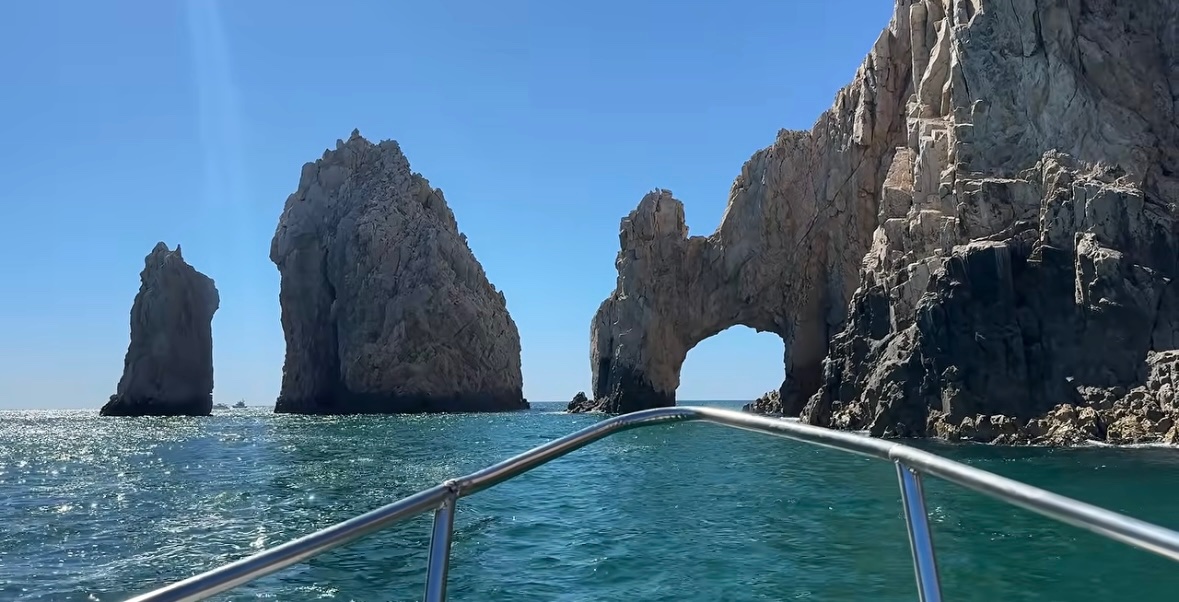
Mainly the Cabo San Lucas marina, which has the widest choice of operators and the earliest departures, with the Arch and Lands End on the route out. Boats also leave from San Jose del Cabo, convenient for Corridor and San Jose hotel guests. Staying near the marina, at properties such as Breathless Cabo or Casa Dorada on Medano Beach, removes the dawn transfer. San Jose guests heading to Cabo San Lucas departures should allow 30 to 45 minutes each way.